Case Study Inspiring Stories of Cancer Survivors and Their Healing Journeys
Real-life recovery, UK pathways and practical hope
Introduction
Hearing “you have cancer” rearranges a life. For patients, carers and families across the UK, the weeks after that sentence are a blur of appointments, scans and questions. This piece collects practical lessons from cancer survivor stories and my years at the clinic — not to promise anything, but to show what usually happens next and what helps people get through it. If you’re worried today, call 999 for an emergency. For urgent but non-life-threatening concerns ring NHS 111. This is general information; speak with your GP or MDT nurse specialist for personalised advice.
Spotting symptoms and when to seek help
People I meet often tell me they delayed seeing their GP because they didn’t want to bother anyone. That’s a common worry — but UK guidance asks GPs to consider “red flag” symptoms fast (for example unexplained weight loss, persistent bleeding or a new lump). A typical pathway is the NHS two‑week‑wait referral for suspected cancer so that people at higher risk see a specialist quickly. In clinic, the knock-on effect is clear: earlier referral usually means options are broader and recovery pathways differ.
What should prompt a GP appointment? Persistent or changing symptoms that are new for you, symptoms that don’t settle after a couple of weeks, or anything your gut tells you is different. Remember — the GP can examine you, arrange tests and, when needed, trigger the urgent referral. Cancer survivor stories often start with the patient saying they finally “took a photo” of a rash or a lump before they booked; simple evidence can change a consultation for the better.
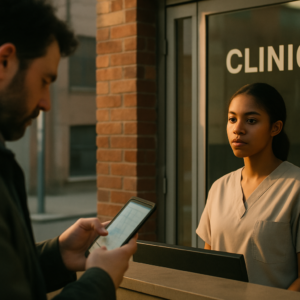
Speak to your GP if you notice worrying symptoms — a timely conversation matters. In my clinic, that quiet waiting room mood (the soft rustle of magazines, the click of a pen) often turns into action once a referral is made; the process moves faster than people expect.
Diagnosis and staging: what happens after a referral
A two‑week‑wait referral usually leads to faster access to imaging and specialist assessment. Typical steps include scans (CT, MRI or ultrasound depending on suspected site), blood tests and a biopsy to confirm disease type. Staging — which describes how far the cancer has spread — is crucial because it shapes treatment choices discussed at the MDT (multidisciplinary team) meeting. That MDT meeting will include surgeons, oncologists, radiologists and nurse specialists who pool expertise to recommend a plan tailored to you.
In many of the cancer survivor stories I know, patients describe the fortnight between first scan and MDT decision as the hardest: the waiting, the replay of moments in the clinic corridor. Be prepared to ask for contact details for your CNS (clinical nurse specialist); they usually smooth the route, explain results and set expectations about timelines.
Staging language (stage I–IV, T/N/M descriptors) can sound intimidating. Practically, staging helps clinicians weigh options — curative therapies, control strategies or supportive care — and gives patients a framework for decisions. If you’re unclear, ask your team to explain staging in plain terms and what it means for your day-to-day. Cancer survivor stories often highlight that understanding the stage reduced fear — information is an anchor.
Treatment options and the evidence behind them
Treatments in the UK are offered through the NHS and may include surgery, radiotherapy, systemic therapy (chemotherapy, hormone therapy), targeted agents and immunotherapy. Which treatments are recommended depends on tumour type, stage and patient factors. NICE provides approvals and guidance that inform NHS practice (see the relevant NICE technology appraisals). Surgery removes tumours; radiotherapy uses focussed radiation; systemic therapies circulate through the body to reach cancer cells. Each has different aims — cure, control or symptom relief.
What do people in these cancer survivor stories often say? That the team talked through pros and cons, not just the bright-line benefit. Shared decision-making is routine: balancing effectiveness, side-effects and what matters to you (work, family, hobbies). Side-effects are common but many are manageable with supportive care. Ask about clinical nurse specialist support, rehabilitation and returning to work — the MDT should put these plans in place.
Trials may offer access to newer options if standard care isn’t right or if you want to contribute to research (we’ll come back to trials). If you face a choice between NHS standard care and a private pathway, think about timelines, what’s funded, and how your NHS records will be kept. Talk it over with your GP and CNS — a second opinion is valid if you’re unsure. Why not ask directly: what do you recommend for my life, not just my scan?
Precision medicine, trials and what they mean for patients
Precision medicine — selecting treatment based on tumour biology, not just location — has transformed many cancer pathways. Molecular testing (for example looking for specific gene changes) can identify whether targeted therapy or immunotherapy is likely to work. In some UK services, tumour testing is routine for certain cancers; in others, access depends on local NHS trust resources and trial availability.
Trials recruit patients at different stages and have strict eligibility rules; they are governed by ethics panels and regulators like the MHRA. Trials can offer promising options, but they also involve uncertainty — extra visits, tests and paperwork. Many patients in cancer survivor stories talk about the sense of agency trials gave them: contributing to the science while getting regular follow-up. If you’re considering a trial, ask about likely benefits, extra appointments, travel and how your care would transition if you stop the trial early.
Not every hospital runs every trial. You can ask your MDT about trials at regional centres or national initiatives. Sometimes a genomic test done in one centre can open doors elsewhere. Should you pursue testing? It depends on your cancer type, prior treatments and whether the result would change therapy — your oncologist or CNS can help weigh this up.
Living well during and after treatment
Survivorship isn’t a clean line. For many, life after active treatment involves physical recovery, managing long‑term effects and a slow psychological rebuild. Fatigue, bowel or bladder changes, lymphoedema, memory fog and emotional swing are common complaints. Support services — physiotherapy, occupational therapy, counsellors and community teams — play a big role in recovery. My clinic notes often include small practical changes that helped patients: pacing activity, scheduling naps, using aids for household tasks and a stepwise return to work.
Here are practical takeaways many survivors find useful:
- Keep a symptom diary to talk to your clinical team — clear examples help clinicians act.
- Ask for a holistic needs assessment from your CNS; it’s part of NHS survivorship planning.
- Look into local support groups and charities for practical and emotional help.
- Plan gradual return-to-work with occupational health; adjustments are often possible.
If you need peer support, consider our patient support hub for resources and first‑hand survivor accounts. Carers matter too — they can access respite and counselling through Macmillan and local NHS services. Have a chat with your GP about mental health referrals if low mood or anxiety is persistent; these issues are common and treatable. The hum of the infusion room, the murmur of other patients, the friendly voice of a CNS — these small sensory moments often become part of the story of recovery.
Prevention, screening and tackling inequalities
Prevention strategies and screening save lives. NHS screening programmes for bowel, breast and cervical cancer aim to detect disease early; uptake varies by region, age and social factors. Lifestyle measures — not smoking, keeping a healthy weight, limiting alcohol and staying active — reduce risk for some cancers. Inequalities in access and outcomes are real: screening uptake is lower in some communities and survival can differ across regions and income groups.
Public health and charity campaigns try to close these gaps; your GP surgery and local NHS trust also run outreach. If you’re eligible for screening, take it — and if you’ve missed a routine invitation, book in. Survivorship stories often show that people who engage with screening and early-treatment options face fewer aggressive interventions later. Prevention isn’t a guarantee, but on balance it shifts odds in your favour.
Policy changes — like widening access to diagnostic tests or investing in community outreach — are ongoing in the four nations of the UK. If you’re worried about barriers (travel, caring duties), ask your GP about local support or flexible appointments; services exist to reduce practical obstacles.
FAQs
How long does diagnosis usually take after a GP referral?
Timelines differ, but urgent two‑week‑wait referrals aim for a specialist review within 14 days of referral. Diagnostic tests and biopsy results can take days to a few weeks depending on the tests needed and local capacity. Ask your GP or CNS for an expected timeline so you know what to expect.
What is the difference between NHS and private care for cancer?
Private care can shorten waiting times for some tests or appointments but it doesn’t necessarily include the same MDT structure or follow-up that NHS care offers. Treatment decisions should consider continuity, funding and how private results will be communicated to your NHS team. Discuss options openly with your GP and oncologist.
Can I join a clinical trial if I have had previous treatments?
Possibly. Many trials have criteria about previous therapies, time since last treatment and health status. Your oncologist or the trials team can check eligibility and explain commitments like extra visits, blood tests and follow-up.
What side-effects should prompt urgent advice?
Severe breathlessness, sudden chest pain, high fever (especially during chemotherapy), severe uncontrolled bleeding or sudden neurological symptoms need immediate attention — call 999. For worrying but non-emergency side-effects ring NHS 111 or contact your oncology team for guidance.
How do I talk to my employer about returning to work?
Be open about practical needs like phased return, altered hours or workplace adjustments. Occupational health and your GP can provide fit notes and advise on reasonable adjustments; many survivors find phased returns help balance recovery and routine.
Conclusion
Cancer survivor stories show variety: some people sail through treatment, others face a long tail of rehabilitation. The constant is teamwork — your GP, MDT, CNS and local support networks. If you’re worried about symptoms, speak to your GP. For urgent problems call 999 or NHS 111. If you’d like practical resources and peer‑led support, visit our patient support hub or ask your CNS to connect you with the survivorship team.
References:
NICE guideline NG12 Suspected cancer: recognition and referral, published 2015.
NHS England — Two‑week‑wait referral information, updated 2023.
Cancer Research UK statistics portal, 2024.
Macmillan Cancer Support — Living with and beyond cancer resources, updated 2023.
NHS — Cancer survivorship and follow‑up care information, updated 2022.